
First Human Successfully Produces Insulin Using Gene-Edited Cells
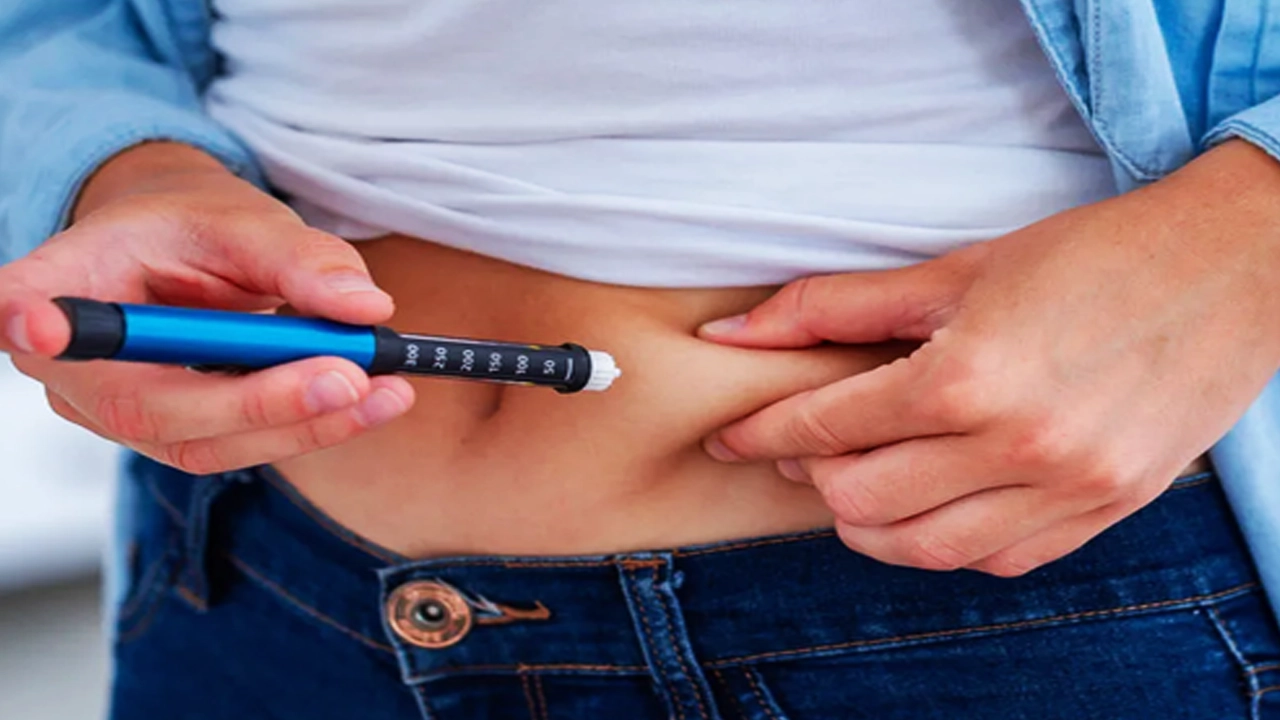
For the first time in the world, a man with type-1 diabetes has been able to produce insulin in his own body. This breakthrough was achieved through the transplantation of gene-edited islet cells. Typically, patients undergoing such transplants must take lifelong immunosuppressive drugs, but this patient did not require them.
This medical milestone was recently published in the New England Journal of Medicine and reported by the science news website Live Science.
Around 95 million people worldwide suffer from type-1 diabetes, a condition in which the body’s immune system destroys the insulin-producing islet cells in the pancreas. As a result, patients must take daily insulin injections. Currently, the disease has no complete cure.
While islet cell transplantation has been explored as a potential treatment, a major challenge has been the body’s immune response. The immune system often recognizes transplanted cells as foreign and attacks them, forcing patients to take lifelong immunosuppressive drugs, which increases the risk of infections.
To overcome this, researchers in Sweden and the United States used CRISPR gene-editing technology to modify donor islet cells so that the patient’s body would not reject them.
For the first time, gene-edited cells were successfully transplanted into a human. Twelve weeks after the procedure, the patient’s body continued to produce insulin naturally, with no immune rejection observed.
The researchers explained that three genetic modifications were made to the donor cells. Two modifications reduced proteins on the cell surface that signal the immune system to attack, while the third increased production of a protein called CD47, which instructs other immune cells not to attack the transplanted cells.
The gene-edited cells were introduced into the patient via injection. The body did not recognize them as foreign, and they produced insulin normally.
Although the patient still requires small doses of insulin and only a limited number of cells were transplanted, doctors say the procedure appears safe and could open new horizons for future treatments.
Researchers will monitor the long-term survival of these cells and test the procedure in other patients to confirm its effectiveness.
This success offers new hope for treating type-1 diabetes.
Copyright © 2026 News of truth. All rights reserved.
 প্রিন্ট করুন
 সেভ করুন