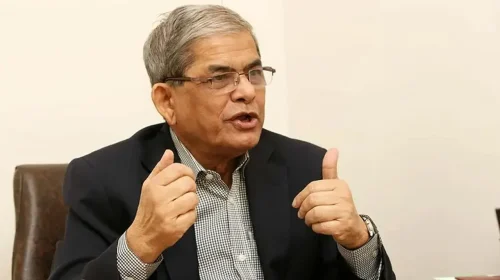
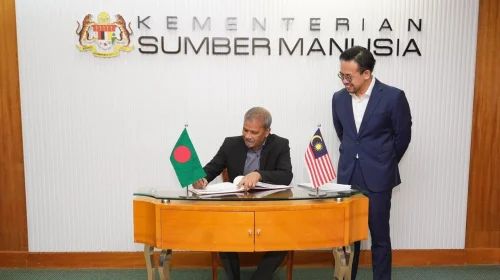
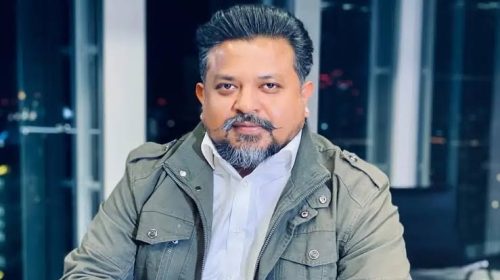
Following the resignation of President Mohammed Shahabuddin, intense discussions have begun in political circles over who will become the country’s 23rd president. Although the names of several senior BNP leaders are being discussed, the name most frequently mentioned is BNP Secretary General Mirza Fakhrul Islam Alamgir. He is currently serving as the Minister for Local Government, Rural Development and Cooperatives. Many consider him a potential candidate for the presidency because of his political experience, long-standing leadership, clean image and acceptability across different quarters.
According to political analysts, Mirza Fakhrul is a strong contender for the presidency because of his long involvement in political movements, organisational skills and balanced leadership during times of crisis. They believe that a constitutional post like the presidency requires someone who can rise above partisan politics and play the role of a guardian of the state.
Political analysts also believe that if the BNP forms a new government, the party’s top leadership would want to appoint as president someone who can firmly steer the country through critical situations and enjoy broad public acceptance. As Mirza Fakhrul had indicated in recent public rallies that he might retire from electoral politics after contesting the latest election, nominating him as president could be seen as appropriate recognition of his long political sacrifices. They argue that Mirza Fakhrul is not only the BNP secretary general but also a prominent figure in Bangladesh’s democratic struggle. Appointing a person of his stature as president could further enhance the dignity of parliamentary democracy.
‘Mirza Fakhrul Is the Most Suitable for President’
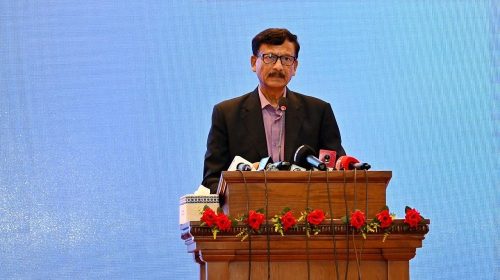
Dr Shamsul Alam Selim, pro-vice-chancellor of Jahangirnagar University and professor of the Department of Government and Politics, told Kalbela that the BNP’s past experience with presidential elections has not been favourable. Considering this, he said, the BNP should choose someone for the presidency who is widely accepted, loyal and wise.
Dr Alam further said the person must be loyal not only to the Zia family but also to the party. According to him, Prime Minister Tarique Rahman himself should make the choice rather than leaving it to others. Since Tarique Rahman has observed the party’s leaders over the past 16 years and knows their individual contributions, he should evaluate their suitability for the position.
He also said the president should be acceptable to the people and respected by all. The person should be honest, capable and courageous. In his view, some of those appointed to the post in the past merely occupied the office without playing a courageous role during difficult times for the party. He particularly referred to the tenure of Iajuddin Ahmed, saying that although he had the ability to take certain steps, he was unable to do so.
The political analyst added that the balance of power between the president and the prime minister is also an important consideration and must be kept in mind.
Dr S M Ali Reza, a professor of political science at the University of Dhaka, told Kalbela that the BNP has several experienced senior leaders who are qualified for the presidency. However, he believes the position should go to someone who is physically capable and able to make wise decisions during times of crisis. In this regard, he considers the BNP secretary general to be the most qualified. He also believes that a politician should be elected as president.
Dr Md Shahabul Haque, a professor of the Department of Political Studies at Shahjalal University of Science and Technology in Sylhet, said the president should be someone who is not merely a political figure but also has extensive experience. The person must have deep knowledge of state governance and a clear understanding of the Constitution, laws, judiciary and administrative structure.
He said the presidency is the country’s highest office of honour and therefore requires a wise, honest and impartial personality. The individual should have served in party responsibilities and earned public trust. Above all, the person should have no allegations of corruption, nepotism or abuse of power against them. According to him, such tested leadership is qualified for the presidency, while experienced and ethical leadership is crucial to maintaining the dignity and stability of the state.